Search our website. If you can’t find what you’re looking for, get in touch at: creativelifestorywork@wearebluecabin.com
In a world where emotions often go unspoken, Think Feel Do (TFD) Sensory Bears offer a unique and powerful way to help individuals – children, young people, and adults – connect with their inner experiences.
Co-created by Amy Payne, Karen Vance, and Natalia O’Keefe, these therapeutic tools are designed to foster emotional regulation, storytelling, self-expression and healing. Whether used in therapy, life story work, family settings, or supervision, TFD Sensory Bears provide a tangible, sensory approach to exploring thoughts, feelings, and actions.
Amy Payne and Karen Vance explain more.
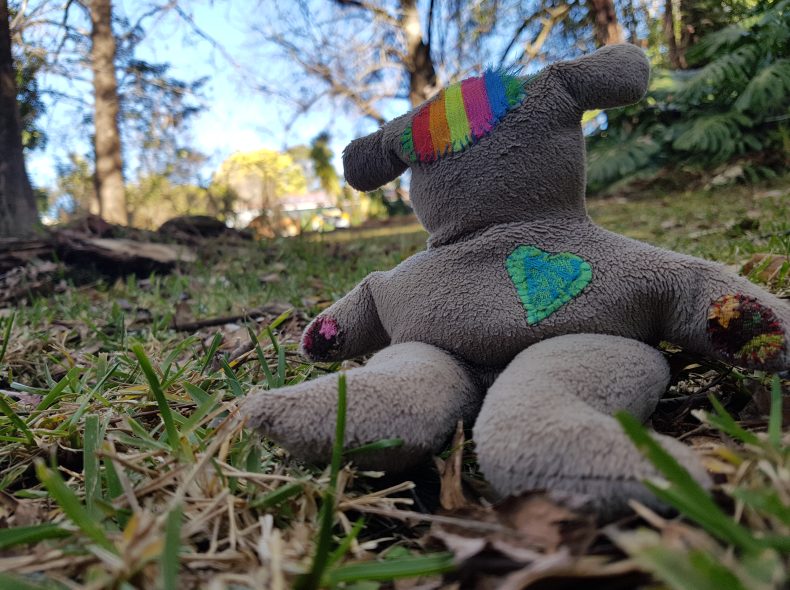
The TFD Sensory Bear is a cloth bear filled with weighted materials like rice or beads and decorated with symbols representing the brain (thinking), heart (feeling), and hands (doing). These bears are intentionally imperfect, gender-neutral, and adaptable, making them suitable for all ages and diverse needs. They can be personalised, decorated, and used in various ways—held, thrown, worn, talked to or talked through.
The TFD Sensory Bear concept integrates the tools learnt from the 2016 Australian Childhood Trauma Conference presentation, ‘Going on a Bear Hunt’ and the principles of ‘Think Feel Do’ learnt through Therapeutic Life Story Work (TLSW). These bears are more than comforting companions; they are tools for externalising emotions, fostering self-awareness, and encouraging imaginative play.
The versatility of TFD Sensory Bears makes them invaluable in a range of settings, from therapy to family conversations and supervision. Here are some practical applications:
1. Engaging children and young people
TFD Sensory Bears can help children articulate their thoughts, feelings, and actions. For example, Amelia used a TFD bear to explore her feelings of loneliness on her birthday. She identified her thoughts of being ignored, her feelings of sadness, and her action of hiding in her room. Together, alternative actions like journaling or going for a walk were explored.
2. Facilitating family conversations
These bears can serve as a child-friendly version of Kolb’s reflective learning cycle (experience, feeling, analysis, and action). For instance, James used a TFD bear to express his fear and distress during visits with his father. Through the bear, he explored the appropriateness of his father’s actions, his feelings about this and what he would like to do with the support of those around him.
3. Encouraging self-reflection
Individuals can use the bear for personal reflection, considering their own thoughts, feelings, and actions in challenging situations. Sophia, for example, used a TFD bear to explore her mother’s perspective during a difficult situation, fostering empathy and understanding.
4. Supporting supervision
Practitioners can use the bear during supervision to reflect on their observations and interactions with clients. A practitioner, for example, used a TFD bear to mirror a client’s experience, moving between the brain, heart, and hands to explore thoughts, feelings, and actions.
5. Providing regulation, comfort and playfulness
The bear’s weighted design makes it an excellent sensory tool for self-regulation. It can be thrown around, or help in acting out scenes. In a ‘chill-out’ zone, TFD bears were placed with pillows and blankets, offering children and adults a calming presence during breaks from activities or conversations.
1. Incorporate them into storytelling
Use the bears as characters in a story to help clients externalise their emotions. For example, the bear can ‘feel’ a certain way, allowing the individual to project their feelings onto the bear and explore them from a safe distance.
2. Use them for grounding exercises
The weighted design of the bears makes them ideal for grounding techniques. They are often placed on the children or adults shoulder or heads to help the feeling of being in the body. Sometimes the TFD bears can be held, focused on and may even help to calm the nervous system.
3. Create a safe space for expression
The bears can act as a non-judgmental ‘listener’ for clients who find it difficult to open up. This can be especially helpful for children or individuals who are non-verbal.
4. Using them in Therapeutic Life Story Work
TFD Bears are great for weighing down the wallpaper when bringing them into TLSW sessions! And because they are there, these little TFD bears are witness to what we are writing and drawing on the wallpaper and what is being said in the space by the children and adults. And sometimes, they are even compelled to speak up through the children and/or adults!
The Think Feel Do Sensory Bears are a testament to the power of creativity and compassion in therapeutic practice.
By providing a safe, tactile, and engaging way to explore emotions, these bears help individuals of all ages find their voice and take steps toward healing. For those who have experienced trauma, the journey to healing can feel daunting. The TFD Sensory Bears offer a gentle, accessible way to begin that journey, reminding us that healing doesn’t always come from words—it can also come from the simple act of holding, feeling, and connecting.
Karen Vance
Karen has been a dedicated Therapeutic Life Story Work (TLSW) practitioner since 2017, bringing her expertise to both government and not-for-profit sectors. Currently working with Settlement Services International in their multicultural foster care program, Karen is exploring innovative ways to adapt TLSW for culturally diverse communities, ensuring this transformative work reaches those who need it most
Amy Payne
Amy (she/they) is a psychologist with over 20 years of experience specialising in trauma. As the director of As Above So Below Therapeutic Services on Dharug Land in the place known as Australia, Amy strives to create safe spaces for healing and storytelling for all she works with.
You can get new life story work tools, ideas and training to your inbox every month, in our newsletter.