Search our website. If you can’t find what you’re looking for, get in touch at: creativelifestorywork@wearebluecabin.com
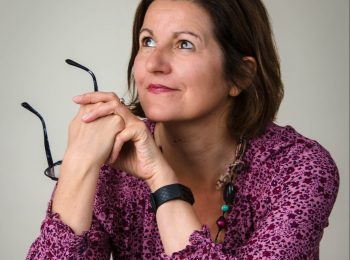
On 13 February 2025, Dr Lisa Cherry will lead an online Live Classroom on case recording and record keeping. Here, she answers some questions about what makes ‘good’ record keeping, and how social care professionals and foster carers can take steps towards creating records which can have a positive impact on people’s lives.
Record keeping at its worst can read like a catalogue of negative events full of opinions, misspelled names and distinctively lacking in love. At its best, a person’s ‘files’ can be dynamic, healing and trauma sensitive with a deep understanding that the child will become an adult and will be seeking to make sense of what happened to them through the words of all those who have been involved. Some writing will have taken place with the child or young person sharing some of the understanding of what is being written.
An example that I often share is regarding a decision made to separate siblings in a foster placement. The social worker had made the decision and the foster carer didn’t agree. The young person internalised the narrative of “I’m too much” and blamed themselves. By the foster carer writing up this disagreement, the young person as an adult can read that letter and learn that they were wanted, that they weren’t too much, and this can be hugely healing and shift those feelings of ‘there’s obviously something wrong with me.’
All those who write about a child or young person are contributing to the ‘file’ that can be accessed by the adult that the child will become. Foster carers have a unique insight, relationship and connection with the child or young person and may also have a different view than others that are involved such as the social worker or a teacher.
I think recording the best of a person is essential. Children naturally blame themselves and internalise a story of shame and if this is affirmed in writing when they embark on making sense of their experiences, then healing is pushed further away. Foster carers spend the most time with the child or young person so have the best opportunity to look for where they shine and change the narrative.
Advice that lots of social workers are given is ‘imagine the child is sitting on your shoulder.’ My advice would be, imagine the adult is sitting on your shoulder! Imagine the adult who experienced things in their young lives for which there were no words, things that were traumatic and traumatising. That adult is now ready to embark on a journey of learning and healing from those things and they could be anywhere on the life journey; they could be 18 years old, married, divorced, managing poor mental health, working as a social worker themselves, bereaved, dealing with poor health. The question that leads someone to read their file is “what happened to me?”
This is such a great question! And one for which there is no easy answer. I think this would be great to explore collectively in the live classroom.
My greatest desire is always that people adopt trauma sensitive and trauma responsive approaches to understanding the power of what we write now as having the potential to heal in the future.
Dr Lisa Cherry is an author, researcher and leading international trainer and consultant, specialising in assisting schools, services and systems to create change that supports working with the legacy of trauma. Lisa has been working in Education and Children’s Services for over 30 years and combines academic knowledge and research with professional skills and personal experience.
Lisa is director of Trauma Informed Consultancy Services, which offers an extensive range of training sessions related to all aspects of how we can apply a trauma informed framework to settings, services and systems. Trauma Informed Consultancy Services works with education settings, children’s services, criminal justice and adult services.


